
RV & Camper Van Camping In Puerto Rico
18.2208° N, 66.5901° W
Quick Overview
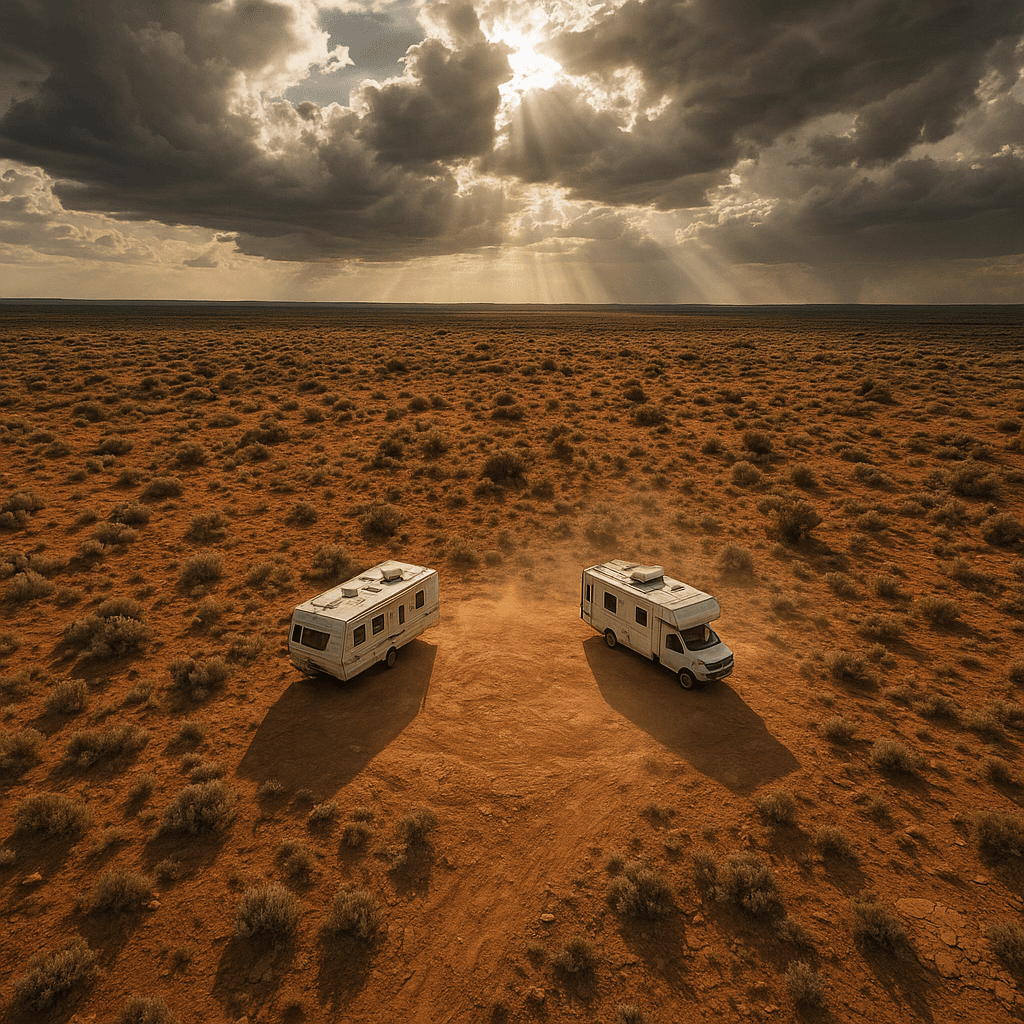
Puerto Rico is a surprising little RV destination, as long as you understand what RVing means here. This is not big-rig country. You will not find 40-foot motorhomes or full-hookup resorts, because shipping large rigs to the island is impractical and the mountain roads are narrow. What you will find is a small but growing camper-van scene, a handful of private RV parks, and a network of permit-based public campsites on beaches and in mountain forests. For a compact tropical island you can circle in a week, it adds up to a genuinely fun way to travel.
The practical approach, and the one most visitors take, is to rent a self-contained camper van on-island. Local companies like Vive la Van and Isla Van PR rent vans set up for island travel, and many will help you arrange the camping permits you need, which removes a real hurdle. With a van you have a rolling basecamp to move between the coast, the rainforest and the cool central mountains, waking up near the water one night and beneath the island's highest peaks the next.
Public camping is permit-based and managed mostly by the island's Department of Natural and Environmental Resources, the DRNA. Beach balnearios like the one at Boquerón in Cabo Rojo are popular, and Boquerón is notable as one of the few public sites with actual electric and water hookups, plus showers and restrooms. Seven Seas near Fajardo opens onto secluded east-coast coves. In the mountains, Toro Negro and Maricao State Forests offer cool, primitive camping, and El Yunque National Forest lets you camp in the only tropical rainforest in the US forest system. Note that camping on open beaches is generally not allowed, so you stick to designated, permitted sites.
Private camping fills in the gaps. A few RV parks, including Paradise Village near Luquillo and Rustic Haven in Cabo Rojo, offer sites with some hookups for camper vans and smaller rigs, handy bases near the beaches and El Yunque. Between the public balnearios, the forest sites and these private parks, a camper-van traveler has enough legal, comfortable options to loop the whole island without trouble.
Timing matters in the tropics. The dry winter season from December through April is the best and busiest window, while the peak hurricane months of August through October bring storm risk and the heaviest rain. Mountain forests stay cooler than the humid coast year-round, a welcome escape on a hot afternoon. One more thing that makes Puerto Rico easy for mainland RVers: as a US territory it needs no passport, uses US dollars, and runs on familiar systems, so the only real adjustment is the camper-van style itself. Need to empty your tanks between stops? See our guide to RV dump stations in Puerto Rico. Below we break down how camper-van camping really works here, what it costs, when to go, and which beaches and forests are worth your permit.
Top Rated RV Parks in Puerto Rico
No rated stations yet. Be the first to leave a review!
From the RVingLife Shop
Gear for Your Puerto Rico RV Trip



Getting Around Puerto Rico by RV
Puerto Rico is wonderfully compact and very drivable, which is a big part of why a camper-van trip works so well. You can loop the entire island over several days, mixing north-coast beaches, the eastern rainforest, the southern coast and the western corner near Cabo Rojo. The toll expressways do the heavy lifting: PR-22, the José de Diego, runs along the north coast, and PR-52, the Luis A. Ferré, crosses to the south, while PR-2 and PR-3 carry the coastal routes. These are fine for a van or small rig.
The interior is where you slow down. The roads climbing into the Cordillera Central to reach state forests like Toro Negro and Maricao are narrow, steep and winding, with tight switchbacks, so take them at an easy pace and do not expect to hurry. San Juan is the main hub, home to the international airport, the camper-van rental companies and full-size stores for supplies, with Ponce, Mayagüez and Fajardo covering their regions. Fuel and groceries are easy to find along the main highways. Because there are no hookups at most sites, plan your water fills and waste dumps around towns and your rental company's facilities, and build your route around the beaches and forests where you actually hold a camping permit. English and Spanish are both widely used, so communication is easy for mainland visitors.
Before You Go: RV Trip Essentials
Dump stations are only one piece of the trip puzzle. Before you set out for your Puerto Rico trip, it's worth taking thirty minutes to check that the basics are in place — the four areas below are where unprepared RVers most often get stung.
Check your RV insurance coverage
A standard auto policy rarely covers a Class A, Class C, or travel trailer the way a dedicated RV insurance policy does. If you're financing a motorhome, lenders typically require comprehensive and collision; full-timers should additionally price in vacation liability and personal belongings coverage. Rates vary widely by state and travel pattern — compare quotes from multiple RV-focused carriers before each season.
Know your roadside assistance options
RV-specific roadside plans tow motorhomes and trailers that regular AAA coverage won't touch — flat beds, mobile mechanics, tire service for duallies, and even emergency lockouts at remote campgrounds. Good plans cover your spouse and trailer even if you're driving a separate vehicle, and some include trip interruption reimbursement if a breakdown costs you a reservation.
Decide about an extended warranty early
Original manufacturer warranties on new RVs typically run 12–24 months — shorter than most buyers realize. An extended service contract (essentially a mechanical breakdown policy) covers the appliances, slides, levelling systems, and drivetrain components that can run $3,000–$10,000 to replace. The time to price one is before the factory coverage expires, not after something breaks.
Set up a travel rewards card for fuel and fees
A no-annual-fee travel or gas rewards card pays for itself on a single month of RV travel. Expect to spend $400–$800 per week combined on fuel, campgrounds, and propane — 3–5% cash back on gas alone covers the next oil change. For bigger trips, a sign-up bonus can offset campground fees for the whole season.
RVingLife is supported by advertising. Third-party ads on this page may include insurance quotes, roadside plans, warranty coverage, or financial products relevant to the topics above. We don't endorse any specific provider — compare multiple offers before you commit. Privacy policy.
RV Parks Costs in Puerto Rico
Like Hawaii, Puerto Rico is cheap by the campsite and pricier by the trip. The public camping itself is inexpensive: DRNA beach and forest sites and El Yunque campgrounds generally run modest nightly fees, often from a few dollars to the low tens, plus the required permit. Private RV parks like Paradise Village and Rustic Haven cost more, a moderate nightly rate for a site with some amenities and hookups, but still reasonable.
The real budget drivers are the camper van and getting to the island. A self-contained van rental typically runs over $100 a night in the winter high season, and it is the backbone of the trip, so book early for both price and availability. Add airfare to San Juan, and the travel cost can outweigh all your campsite fees combined. The upside is that, as a US territory, Puerto Rico needs no passport for US travelers and uses US dollars, which keeps the logistics and money simple. There are few hookup or resort fees to worry about because the infrastructure is light; instead, plan water and dump stops through your rental company. The honest summary: budget generously for the van and flights, and enjoy how little the camping itself costs.
Contact station for pricing details.
Prices may vary. Always confirm with the station before visiting.
What RVers Are Saying About Puerto Rico
No reviews yet. Be the first to share your experience!
Best Time to Visit Puerto Rico by RV
Winter
Nov - Feb
70F - 83F
Crowds: High
December through April is the dry, breezy high season and the snowbird window, with warm days and comfortable nights. This is the best time to camp, so reserve DRNA permits and camper vans ahead. Trade winds keep the coast pleasant, and rain is lightest now.
Spring
Mar - May
72F - 85F
Crowds: Medium
The tail of the dry season early in spring brings warm, pleasant weather and good value before summer heat and the storm season arrive. Coastal camping is comfortable, mountain forests are cooler, and crowds are lighter than the winter peak. A solid shoulder window overall.
Summer
Jun - Aug
75F - 88F
Crowds: Medium
Hot and humid, and hurricane season officially begins in June. Afternoon showers are common, and local families camp on summer weekends. Mountain state forests like Toro Negro offer cooler relief. Watch tropical-weather forecasts closely and keep flexible plans this time of year.
Fall
Sep - Oct
74F - 87F
Crowds: Low
The peak of hurricane season, roughly August through October, brings the highest storm risk and heaviest rain, so monitor forecasts and have a backup plan. It is also the quietest and cheapest time, with warm water and empty campsites between systems, for flexible travelers willing to watch the tropics.
Explore Puerto Rico
Start with the two things that define camping here: vehicle and permits. There are no big rigs in Puerto Rico, so rent a self-contained camper van on-island, from companies like Vive la Van or Isla Van PR, or bring a small rig at most. Then sort your permits, because camping on public land is generally permit-based through the DRNA, and those should be arranged in advance, not at the site. A real perk of renting through a local van company is that many will help you secure the permits, which saves a lot of confusion. And remember that camping on open beaches is not allowed, so stick to designated balnearios and campsites.
For comfort and safety, time the trip and respect the terrain. The dry winter season, December through April, is the sweet spot, while the peak hurricane months of August through October demand daily forecast-watching and a flexible plan. Balneario de Boquerón is your friend if you want a public site with electric and water hookups. In the mountains, drive the narrow forest roads to Toro Negro and Maricao slowly. Pack good rain gear, since El Yunque is a rainforest and showers are common islandwide. And travel respectfully, packing out what you bring and following local etiquette at these beloved public beaches and forests.

Frequently Asked Questions About RV Parks in Puerto Rico
Are there RV parks in Puerto Rico?
A few, but Puerto Rico is not a big-rig destination. You will not find large motorhomes or fifth-wheels here, since shipping them is impractical and the roads are tight. Instead there is a small, growing scene built around camper vans and a handful of private RV parks like Paradise Village near Luquillo and Rustic Haven in Cabo Rojo. The practical way most visitors RV the island is to rent a self-contained camper van on-island from companies like Vive la Van or Isla Van PR. Public camping at beaches and forests rounds out the options, almost all by permit.
How do you RV camp in Puerto Rico?
Most visitors rent a camper van on-island and loop the island with it. Several local companies, including Vive la Van, Isla Van PR and others, rent self-contained vans set up for island travel, and they can help arrange your camping permits, which is genuinely useful here. You then mix nights at DRNA-managed beach balnearios and mountain state forests, El Yunque National Forest, and a few private RV parks. The island is compact enough to circle in a week, so the van becomes a rolling basecamp for beaches, rainforest and mountains. It is van life with a tropical, Caribbean flavor.
Do Puerto Rico campgrounds have hookups (water, electric, sewer)?
Mostly not, with a few exceptions. The majority of public camping, in the state forests and at most beach sites, is primitive with no hookups, though many have restrooms and showers. The standout exception is Balneario de Boquerón in Cabo Rojo, a public beach site that actually offers campsites with electric and water hookups. A couple of private RV parks also provide hookups for smaller rigs. Camper vans are self-contained, so you rely on the van's own systems and plan water and waste around towns and your rental company. If full hookups are essential, plan around Boquerón and the private parks.
How much does camping cost in Puerto Rico?
The camping itself is inexpensive. Public DRNA beach and forest sites and El Yunque campgrounds generally run modest nightly fees, often in the single digits to low tens of dollars, plus the required permit. Private RV parks cost more, typically a moderate nightly rate for a site with some amenities. As in Hawaii, the bigger expense is the camper van rental, which runs over $100 a night in high season, plus your airfare to the island. So the sites are cheap, the van and the flights are not. Booking permits and vans ahead in the winter high season helps with both availability and price.
Do I need a permit to camp in Puerto Rico?
Yes, almost always. Camping on public land in Puerto Rico generally requires a permit from the Department of Natural and Environmental Resources, the DRNA, and access to many beaches and trails is regulated too. Permits should be arranged in advance rather than at the site, and El Yunque National Forest has its own US Forest Service rules. This is one reason renting through a local camper-van company is handy, since they often help secure the permits for you. Plan this step early, especially for weekends and the dry-season high months, and always confirm the current requirements for the specific site you want.
Can I camp on the beach in Puerto Rico?
Not just anywhere. Camping directly on open beaches is generally not allowed in Puerto Rico. Instead, you camp at designated areas near the beaches, most run by the DRNA, such as the balnearios at Boquerón and beach campsites like Seven Seas near Fajardo, which have facilities like showers and restrooms. These give you beachfront access legally and safely, with a permit. So you can absolutely wake up steps from the water, you just need to do it at a designated, permitted site rather than pulling a van onto an open stretch of sand, which can also get your vehicle stuck or cited.
When is the best time to camp in Puerto Rico?
The dry season, roughly December through April, is the best and busiest time, with warm days, comfortable nights and trade winds keeping the coast pleasant. It is also the snowbird high season, so book permits and camper vans ahead. Summer is hot, humid and the start of hurricane season, with afternoon showers, and the peak storm months of August through October bring real risk and the heaviest rain, though they are also the quietest and cheapest. Spring is a pleasant, good-value shoulder. Whenever you go, the cool mountain forests offer relief from coastal heat.
Can I bring my own RV to Puerto Rico?
Realistically, no, not a large one. Shipping a personal motorhome or trailer to Puerto Rico is expensive and impractical, and the island is not set up for big rigs, with narrow mountain roads, limited hookups and tight parking. The sensible approach is to fly in and rent a camper van on-island, which is exactly what the local rental companies exist for. A van is far easier to drive on Puerto Rico's roads, legal to use at the designated camping sites, and big enough to circle the island comfortably. Leave the big rig at home and embrace the van for this trip.
Where are the best places to camp in Puerto Rico?
It depends on the scenery you want. For beaches, the Balneario de Boquerón in the southwest is a favorite and even has hookups, and Seven Seas near Fajardo gives you access to secluded east-coast coves. For rainforest, El Yunque National Forest in the northeast is the only tropical rainforest in the US forest system. For cool mountains, Toro Negro near Villalba sits beneath the island's highest peaks, and Maricao State Forest in the west is the largest of the island's forest units. A camper-van loop can string together coast, rainforest and mountains in just a few days.
What is camping in El Yunque like?
El Yunque is the headliner for forest camping, the only tropical rainforest in the entire US National Forest system. Tucked in the northeastern mountains near Luquillo, it offers lush trails, waterfalls and designated campgrounds, all primitive with no hookups. Expect rain, since this is a rainforest, sometimes a lot of it, so come prepared with good rain gear and a way to keep things dry. Camping is by permit under Forest Service and local rules. It pairs naturally with the Luquillo beaches and a private park like Paradise Village nearby, letting you split time between rainforest hikes and the coast.
How do I get around Puerto Rico with a camper van?
The island is compact and very drivable, which is part of the appeal. Toll expressways PR-22 along the north and PR-52 to the south connect the main regions quickly, and PR-2 and PR-3 handle the coasts. You can loop the whole island in a camper van over several days. The catch is the interior: mountain roads to the state forests like Toro Negro and Maricao are narrow, steep and winding, so take them slowly and watch for tight turns. San Juan is the hub for the airport, supplies and van rentals, with Ponce, Mayagüez and Fajardo serving their regions. Fuel and groceries are easy to find along the main routes.
Is it safe to camp in Puerto Rico during hurricane season?
It requires caution and flexibility. Hurricane season runs June through November, with the peak risk from August through October, and that is when the heaviest rain and the chance of tropical systems are highest. You can still camp in those months, and it is the quietest and cheapest time, but you must monitor forecasts daily, have a backup indoor plan, and be ready to change plans if a storm approaches. Many travelers simply avoid the peak months and camp in the dry winter season instead. If you do go in late summer or fall, stay flexible and keep a close eye on the tropics.
Is Puerto Rico a realistic destination for mainland RVers?
Yes, if you adjust your expectations and go the camper-van route. You will not bring or rent a big motorhome, and you will dry camp much of the time at permit-based sites, but the payoff is a compact, beautiful island you can circle in a week, with beaches, rainforest, mountains, bioluminescent bays and historic Old San Juan all within a short drive. Renting a self-contained van from a local company, which can help with permits, makes it surprisingly easy. For mainland RVers craving a Caribbean trip without leaving US soil or needing a passport, a Puerto Rico van adventure is a unique and rewarding option.
Are there RV parks in Puerto Rico?
A few, but Puerto Rico is not a big-rig destination. You will not find large motorhomes or fifth-wheels here, since shipping them is impractical and the roads are tight. Instead there is a small, growing scene built around camper vans and a handful of private RV parks like Paradise Village near Luquillo and Rustic Haven in Cabo Rojo. The practical way most visitors RV the island is to rent a self-contained camper van on-island from companies like Vive la Van or Isla Van PR. Public camping at beaches and forests rounds out the options, almost all by permit.
How do you RV camp in Puerto Rico?
Most visitors rent a camper van on-island and loop the island with it. Several local companies, including Vive la Van, Isla Van PR and others, rent self-contained vans set up for island travel, and they can help arrange your camping permits, which is genuinely useful here. You then mix nights at DRNA-managed beach balnearios and mountain state forests, El Yunque National Forest, and a few private RV parks. The island is compact enough to circle in a week, so the van becomes a rolling basecamp for beaches, rainforest and mountains. It is van life with a tropical, Caribbean flavor.
Do Puerto Rico campgrounds have hookups (water, electric, sewer)?
Mostly not, with a few exceptions. The majority of public camping, in the state forests and at most beach sites, is primitive with no hookups, though many have restrooms and showers. The standout exception is Balneario de Boquerón in Cabo Rojo, a public beach site that actually offers campsites with electric and water hookups. A couple of private RV parks also provide hookups for smaller rigs. Camper vans are self-contained, so you rely on the van's own systems and plan water and waste around towns and your rental company. If full hookups are essential, plan around Boquerón and the private parks.
How much does camping cost in Puerto Rico?
The camping itself is inexpensive. Public DRNA beach and forest sites and El Yunque campgrounds generally run modest nightly fees, often in the single digits to low tens of dollars, plus the required permit. Private RV parks cost more, typically a moderate nightly rate for a site with some amenities. As in Hawaii, the bigger expense is the camper van rental, which runs over $100 a night in high season, plus your airfare to the island. So the sites are cheap, the van and the flights are not. Booking permits and vans ahead in the winter high season helps with both availability and price.
Do I need a permit to camp in Puerto Rico?
Yes, almost always. Camping on public land in Puerto Rico generally requires a permit from the Department of Natural and Environmental Resources, the DRNA, and access to many beaches and trails is regulated too. Permits should be arranged in advance rather than at the site, and El Yunque National Forest has its own US Forest Service rules. This is one reason renting through a local camper-van company is handy, since they often help secure the permits for you. Plan this step early, especially for weekends and the dry-season high months, and always confirm the current requirements for the specific site you want.
Can I camp on the beach in Puerto Rico?
Not just anywhere. Camping directly on open beaches is generally not allowed in Puerto Rico. Instead, you camp at designated areas near the beaches, most run by the DRNA, such as the balnearios at Boquerón and beach campsites like Seven Seas near Fajardo, which have facilities like showers and restrooms. These give you beachfront access legally and safely, with a permit. So you can absolutely wake up steps from the water, you just need to do it at a designated, permitted site rather than pulling a van onto an open stretch of sand, which can also get your vehicle stuck or cited.
When is the best time to camp in Puerto Rico?
The dry season, roughly December through April, is the best and busiest time, with warm days, comfortable nights and trade winds keeping the coast pleasant. It is also the snowbird high season, so book permits and camper vans ahead. Summer is hot, humid and the start of hurricane season, with afternoon showers, and the peak storm months of August through October bring real risk and the heaviest rain, though they are also the quietest and cheapest. Spring is a pleasant, good-value shoulder. Whenever you go, the cool mountain forests offer relief from coastal heat.
Can I bring my own RV to Puerto Rico?
Realistically, no, not a large one. Shipping a personal motorhome or trailer to Puerto Rico is expensive and impractical, and the island is not set up for big rigs, with narrow mountain roads, limited hookups and tight parking. The sensible approach is to fly in and rent a camper van on-island, which is exactly what the local rental companies exist for. A van is far easier to drive on Puerto Rico's roads, legal to use at the designated camping sites, and big enough to circle the island comfortably. Leave the big rig at home and embrace the van for this trip.
Where are the best places to camp in Puerto Rico?
It depends on the scenery you want. For beaches, the Balneario de Boquerón in the southwest is a favorite and even has hookups, and Seven Seas near Fajardo gives you access to secluded east-coast coves. For rainforest, El Yunque National Forest in the northeast is the only tropical rainforest in the US forest system. For cool mountains, Toro Negro near Villalba sits beneath the island's highest peaks, and Maricao State Forest in the west is the largest of the island's forest units. A camper-van loop can string together coast, rainforest and mountains in just a few days.
What is camping in El Yunque like?
El Yunque is the headliner for forest camping, the only tropical rainforest in the entire US National Forest system. Tucked in the northeastern mountains near Luquillo, it offers lush trails, waterfalls and designated campgrounds, all primitive with no hookups. Expect rain, since this is a rainforest, sometimes a lot of it, so come prepared with good rain gear and a way to keep things dry. Camping is by permit under Forest Service and local rules. It pairs naturally with the Luquillo beaches and a private park like Paradise Village nearby, letting you split time between rainforest hikes and the coast.
How do I get around Puerto Rico with a camper van?
The island is compact and very drivable, which is part of the appeal. Toll expressways PR-22 along the north and PR-52 to the south connect the main regions quickly, and PR-2 and PR-3 handle the coasts. You can loop the whole island in a camper van over several days. The catch is the interior: mountain roads to the state forests like Toro Negro and Maricao are narrow, steep and winding, so take them slowly and watch for tight turns. San Juan is the hub for the airport, supplies and van rentals, with Ponce, Mayagüez and Fajardo serving their regions. Fuel and groceries are easy to find along the main routes.
Is it safe to camp in Puerto Rico during hurricane season?
It requires caution and flexibility. Hurricane season runs June through November, with the peak risk from August through October, and that is when the heaviest rain and the chance of tropical systems are highest. You can still camp in those months, and it is the quietest and cheapest time, but you must monitor forecasts daily, have a backup indoor plan, and be ready to change plans if a storm approaches. Many travelers simply avoid the peak months and camp in the dry winter season instead. If you do go in late summer or fall, stay flexible and keep a close eye on the tropics.
Is Puerto Rico a realistic destination for mainland RVers?
Yes, if you adjust your expectations and go the camper-van route. You will not bring or rent a big motorhome, and you will dry camp much of the time at permit-based sites, but the payoff is a compact, beautiful island you can circle in a week, with beaches, rainforest, mountains, bioluminescent bays and historic Old San Juan all within a short drive. Renting a self-contained van from a local company, which can help with permits, makes it surprisingly easy. For mainland RVers craving a Caribbean trip without leaving US soil or needing a passport, a Puerto Rico van adventure is a unique and rewarding option.
All RV Parks in Puerto Rico (20)
 RV Park
Mi Casa Eco-camping
 RV Park
Parguera Trailer Camp
 RV Park
Parque Ecológico Monte Del Estado
RV ParkRiver Valley Park
 RV Park
Rosa Náutica Camper Park
 RV Park
Skamp Ground
RV ParkSunset RV @ Parguera
RV Park